Roundtable in Astana Marks Republic Day
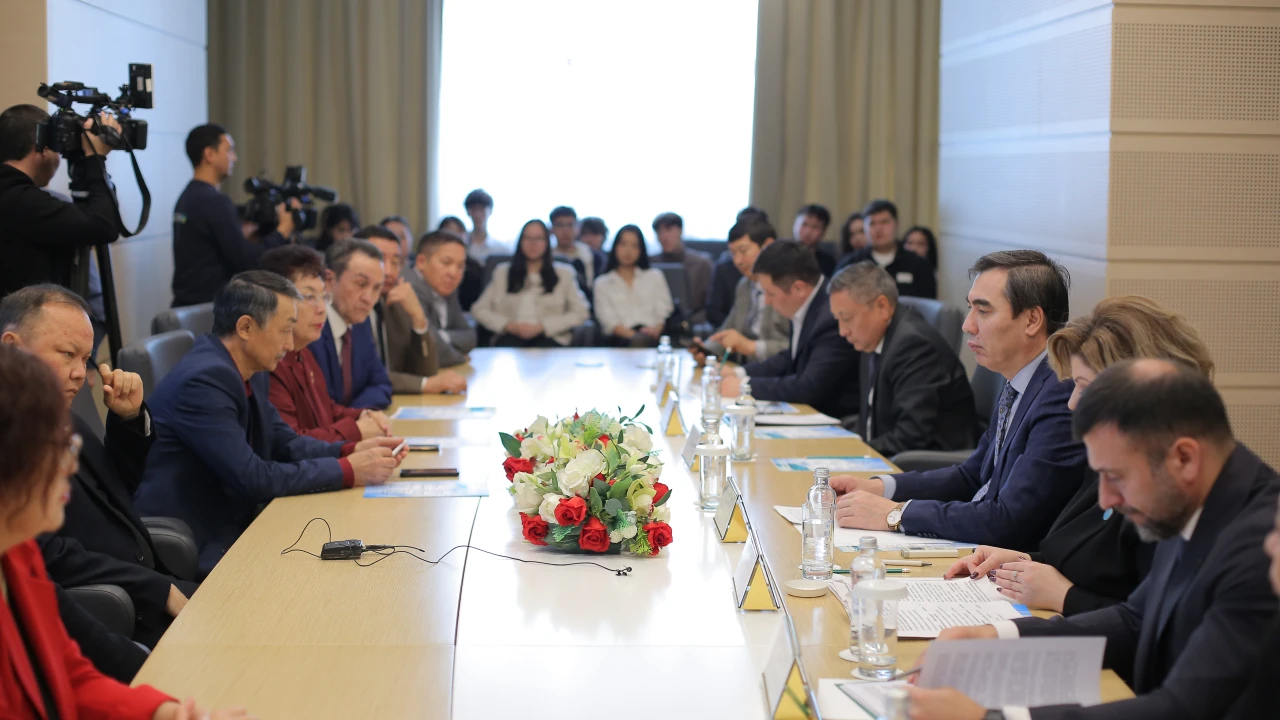
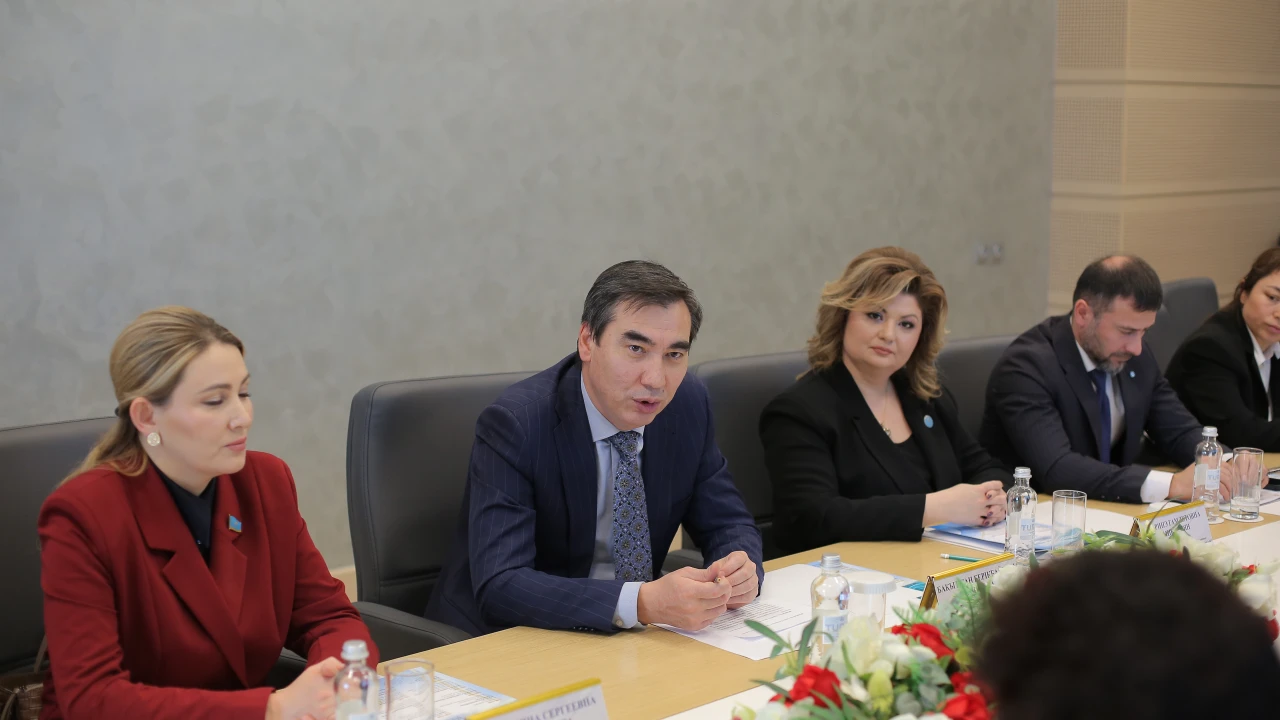
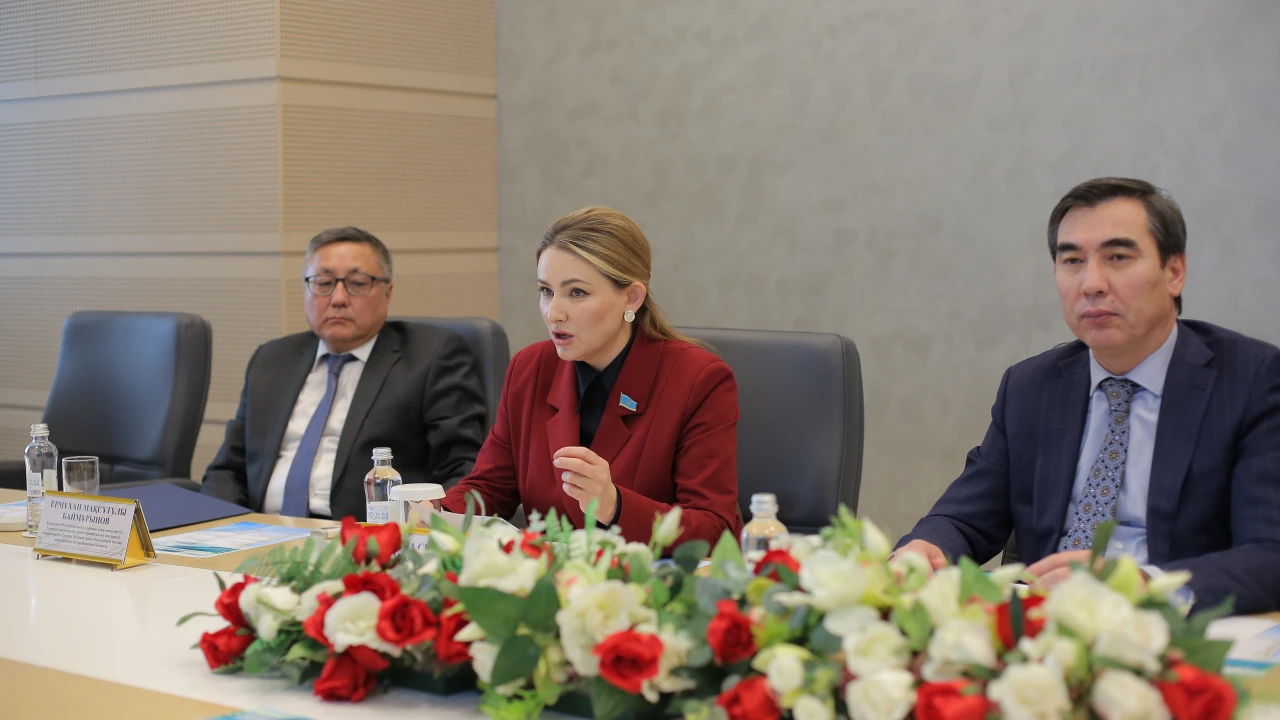
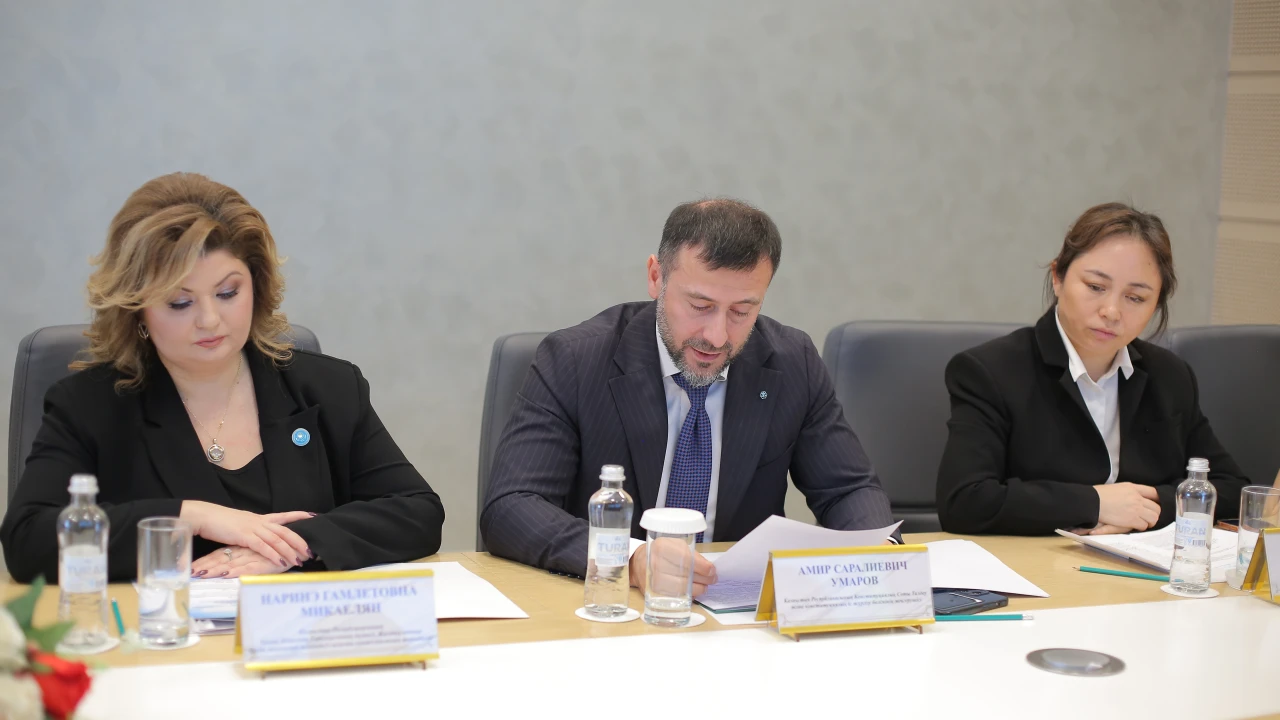
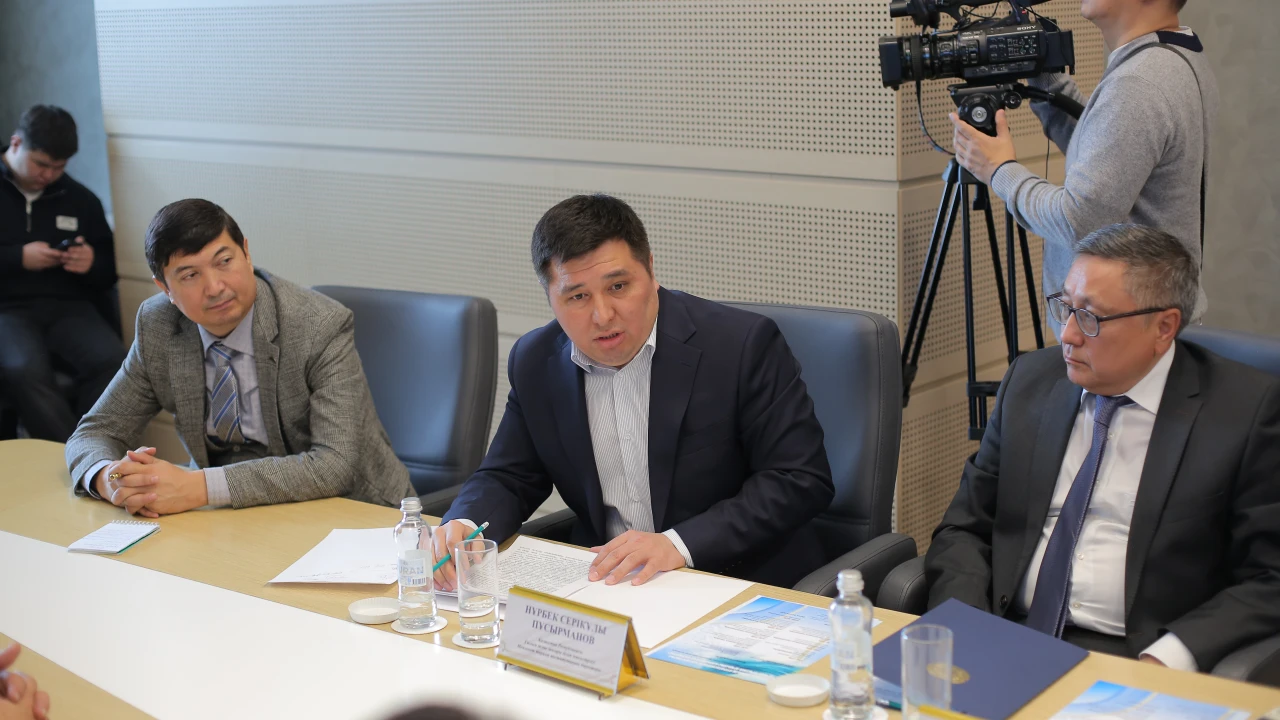
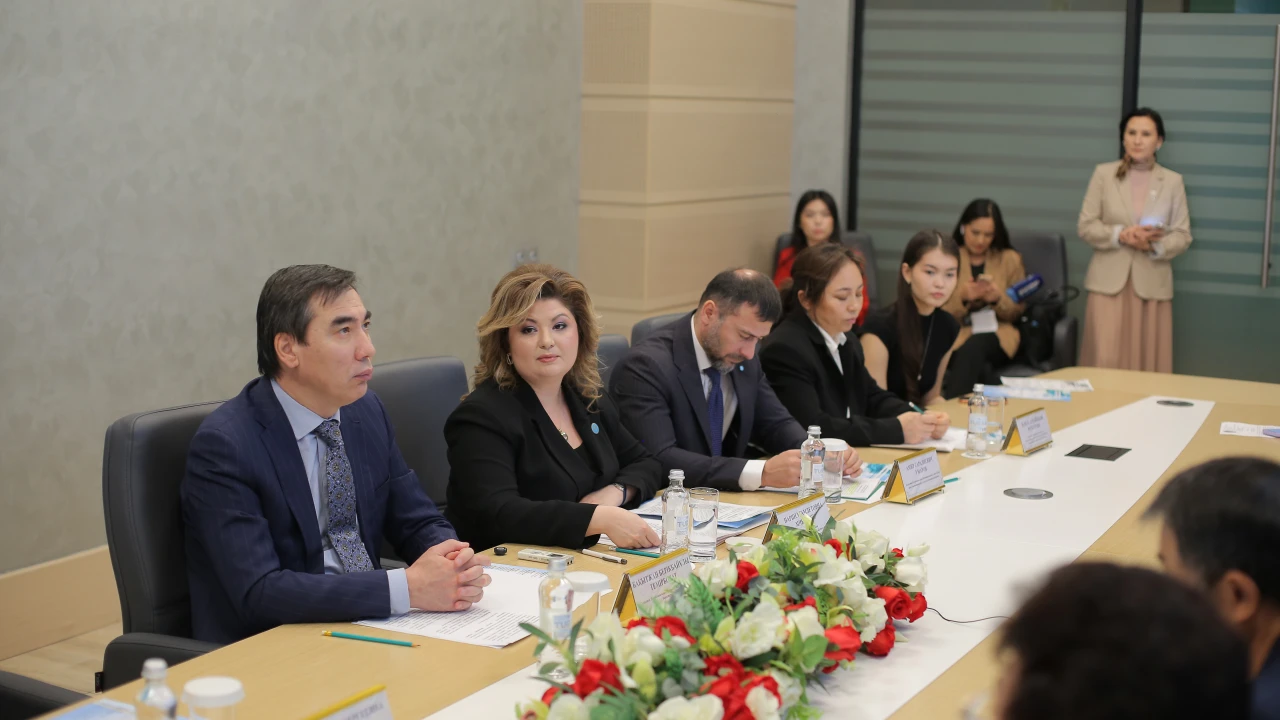
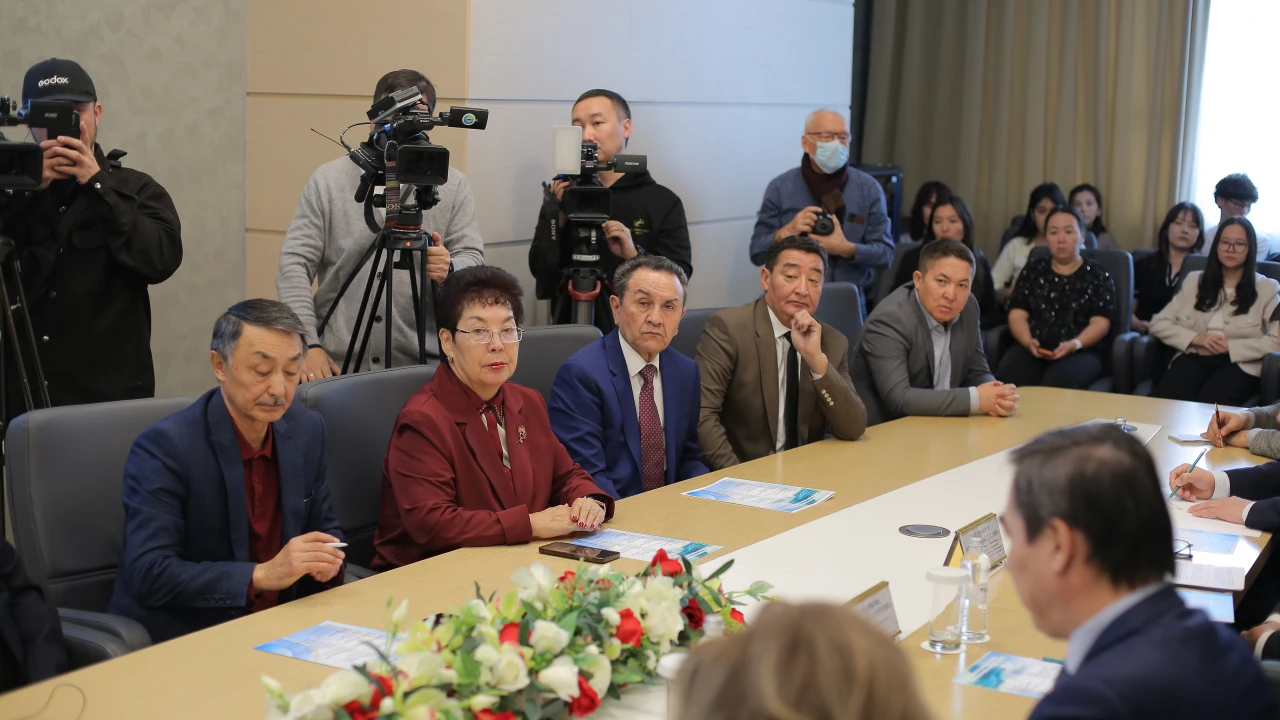
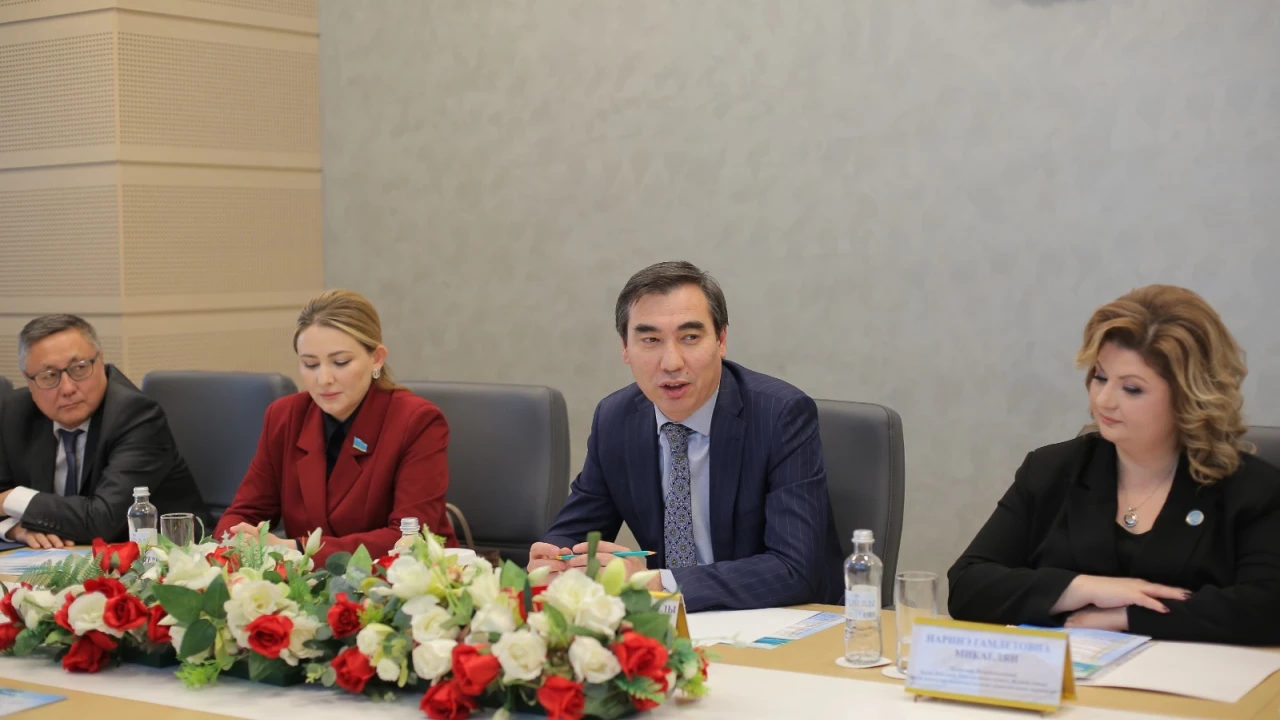

A roundtable discussion titled "Kazakhstan’s Strategic Orientations: A Look into the Future Through the Prism of History," dedicated to Republic Day, was held at the Presidential Center of the DPA RK.
The event convened approximately 60 participants, including deputies of the Kurultai of the Republic of Kazakhstan, members of the People’s Council of Kazakhstan, heads of leading national research institutes and centers, and faculty members and students from higher education institutions in the capital.
The discussion addressed the historical significance of the Declaration on State Sovereignty, the context of its drafting and adoption, and its fundamental role in the establishment of an independent Kazakhstan. Particular attention was paid to contemporary challenges - such as the transformation of international relations and evolving geopolitical architecture - as well as the preservation of historical memory, the strengthening of national unity, the development of public dialogue, and the formulation of practical recommendations for Kazakhstan’s ongoing modernization.
Bakytzhan Temirbolat, Director of the Presidential Center of the Republic of Kazakhstan, delivered the opening remarks:
"Today’s roundtable is dedicated to Republic Day. This year, the holiday coincides with the 35th anniversary of the country’s independence and the initial implementation phase of Kazakhstan’s new Constitution. The adopted reform has laid a solid foundation for a model of a "strong president, influential parliament, and accountable government." The President’s prerogatives have been significantly curtailed, the role of the supreme legislative body has been strengthened, and opportunities for citizens to participate in state governance have been expanded. Yet, the most essential dimension of these transformations goes beyond a mere redistribution of powers among the branches of government. This entails a profound decentralization and democratization of the country’s entire socio-political life. One conceptual element of this new reality is the establishment of a socio-political framework - the 'Kurultai - Khalyk Kenesi' (People’s Council) - which creates conditions to involve more citizens in decision-making at all levels, from rural districts to central government authorities. However, we now face an equally critical phase: the practical implementation of the political-legal structure and the operational principles enshrined in the Fundamental Law," noted B. Temirbolat.
Ekaterina Smolyakova, Deputy of the Kurultai of the Republic of Kazakhstan, contributed remarks during the roundtable discussion.
"The Declaration on State Sovereignty charted our country’s path toward independence. This document's historical significance lay not only in proclaiming political autonomy but also in establishing the fundamental principles of statehood, including territorial integrity, economic independence, and the development of national culture and language. The first generation laid the foundations of independence, the second built state institutions, and the current generation faces the task of further strengthening the nation’s sovereignty in light of new historical realities. In today’s context, the concept of sovereignty is expanding. It is no longer defined solely by the inviolability of state borders and political autonomy; it now encompasses a nation’s intellectual potential, economic stability, social justice, and the preservation of its national identity," the speaker emphasized.
Narine Mikayelyan, Chair of the Sectoral Commission on National Unity within the People’s Council of Kazakhstan, emphasized the importance of social harmony, unity, and civic responsibility in strengthening statehood. She noted, "For the first time, a permanent institution has been established at the constitutional level, designed to facilitate the systematic participation of civil society representatives and the country’s regions in discussions on critical civic issues and matters of national unity. The creation and operation of the People’s Council of Kazakhstan represent a practical outcome of the constitutional reform initiated by the President, as well as the consistent evolution of Kazakhstan’s political system."
Amir Umarov, Head of the Department of Analytics and Constitutional Proceedings at the Constitutional Court of the Republic of Kazakhstan, discussed the Declaration on State Sovereignty's historical role, its significance in shaping modern Kazakhstani statehood, and its contribution to continuity throughout the nation’s journey toward independence. He stated, "Looking toward the future through the lens of history allows us to draw several fundamental conclusions. First, a state's stability largely depends on its ability to preserve its core values. Second, proclaiming principles is only the beginning; their true significance emerges when they become the foundation of legislation. Third, strategic guideposts for the future must be rooted in historical experience. The declaration's history shows that consistent implementation of legal decisions can transform ideas into enduring state institutions. Today, this task takes on new dimensions: it is essential not only to safeguard what has been achieved but also to ensure the full application of constitutional principles across all spheres of public life."
The event also included presentations by Yermukhan Baimurynov, Head of a division within the Department of Foreign Policy Analysis and Strategic Planning at the Ministry of Foreign Affairs of the Republic of Kazakhstan; Nurbek Pusyrmanov, Director of the Institute of State History under the Ministry of Science and Higher Education of the Republic of Kazakhstan; and Nailya Mukhtarova, Director of the "Youth" Research Center under the Ministry of Culture and Information of the Republic of Kazakhstan.
The participants' presentations examined the roundtable topic from multiple research and practical perspectives, including historical analysis of Kazakhstan’s sovereignty, foreign policy priorities, social development, and the role of youth in shaping the country's future.
In their concluding remarks, participants emphasized the importance of further studying and promoting Kazakhstan’s historical heritage, strengthening intergenerational continuity, and fostering meaningful dialogue among the state, the expert community, and the citizenry. Participants identified reflection on the origins of sovereignty and the nation’s historical trajectory as a crucial prerequisite for developing a strategic vision for the country's future.